Loading...
Serving Dover, DE and surrounding areas. (302) 666-8088
Serving Dover, DE and surrounding areas. (302) 666-8088
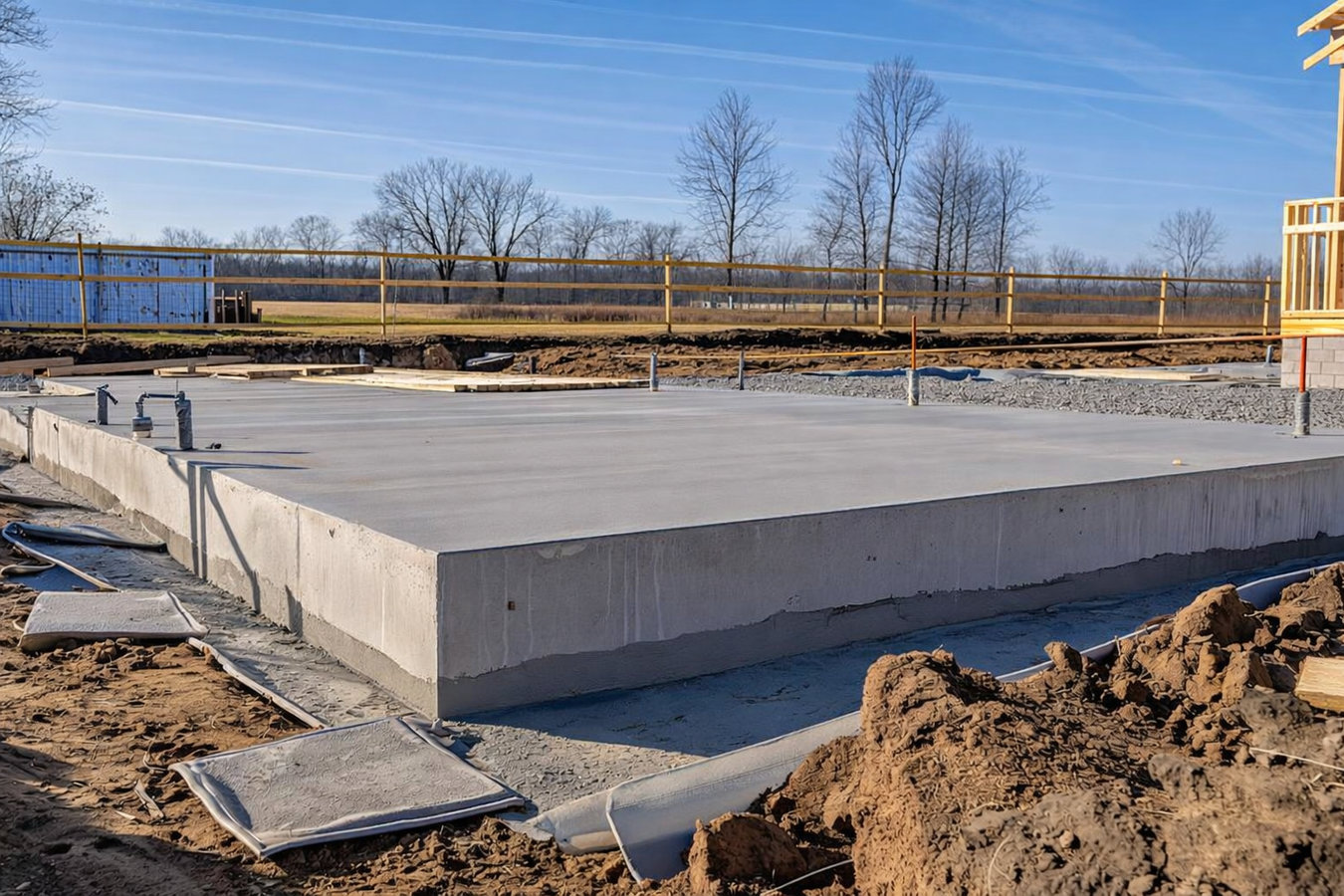
Your foundation carries everything your home will ever be. We install foundations in Dover prepared for local clay soil and Delaware rainfall, with permits, inspections, and waterproofing handled from the start.
Foundation installation in Dover, DE covers excavation to the correct depth, footing placement below Delaware's frost line, concrete wall forming and pouring, exterior waterproofing, and drainage systems that direct water away from the structure, with a City of Dover or Kent County building permit required before any digging begins. Most residential foundation projects take one to three weeks from first excavation to a foundation ready for framing.
Dover's older neighborhoods include a significant number of mid-20th century homes being replaced or expanded, and infill construction has become common throughout the city. Each of those projects starts with a new foundation. The challenge in Dover is not the construction method itself but the local conditions: clay-heavy soil, consistent rainfall that keeps the water table active, and a permit process that has multiple inspection checkpoints before work can progress. Contractors who do not know this market well often underestimate how those local factors shape both the design and the timeline.
For projects adding a new structure or garage to an existing property, we often start with a slab foundation before the full foundation work begins, so both elements are designed together and the sequencing does not create problems at the permit inspection stages.
If doors or windows that used to open smoothly have started dragging, sticking, or leaving gaps at the corners, the frame of your home may be shifting. This movement often originates at the foundation. In Dover's clay-heavy soil, this kind of seasonal movement is more common than homeowners expect, especially after a very wet or very dry stretch of weather.
Small hairline cracks in concrete are common and often harmless. But cracks wider than a quarter inch, diagonal ones near window corners, or horizontal cracks in basement walls are worth taking seriously. Horizontal cracks can indicate soil pressure pushing against the foundation from outside. If cracks seem to be getting longer or wider over time, have a contractor assess them before the situation changes.
Delaware gets consistent rainfall throughout the year, and Dover's clay soils do not drain quickly. If you see water seeping through basement walls or the floor after a heavy rain, your foundation's waterproofing may be failing. This is not just a nuisance; water intrusion over time weakens concrete and leads to much more expensive repairs. It is much cheaper to address early.
If your floors slope noticeably in one direction, or feel soft and springy in certain spots, the structure beneath them may be compromised. In homes with crawl spaces, common in parts of the Dover area, this can signal that foundation piers or walls have shifted or deteriorated. Paying attention to how your floors feel is one of the simplest ways to catch a developing problem early.
Most residential foundation work in the Dover area falls into new construction or replacement. New construction means starting from bare ground and building the complete foundation system that a new home or addition will sit on. Replacement means assessing what is already there, typically an older block or stone foundation in one of Dover's mid-century neighborhoods, and rebuilding it to current standards for drainage, waterproofing, and structural integrity. Both types of projects go through the same permit and inspection process, and both require the same attention to local soil conditions.
Full basement foundations are the most involved type of work we do, requiring the most excavation and the most careful waterproofing design. In Dover, where the water table can sit relatively close to the surface after heavy rain, getting the drainage right is not optional. We install perimeter drainage systems and apply waterproofing before backfilling on every basement project. Crawl space foundations are a more common call in some Dover neighborhoods and require their own moisture management approach since the space below the floor is not fully enclosed.
We also handle concrete parking lot construction when homeowners are adding driveways or access surfaces as part of the same project. Coordinating flatwork alongside foundation work means one contractor manages the grade, drainage, and concrete mix design for the whole site, which avoids the drainage conflicts that happen when two separate crews work the same property at different times.
Homeowners building a new residence on a vacant lot or after a teardown who need a complete foundation from excavation through final inspection.
Buyers and builders who want a full-height underground space that adds livable square footage and provides full access to mechanical systems.
Homeowners and builders in areas where a full basement is impractical who need a short, accessible foundation that lifts the structure off the ground.
Owners of older Dover homes with failing block or stone foundations who need an existing foundation assessed and rebuilt to current standards.
Dover and Kent County sit on Coastal Plain soils with a significant clay content. Those soils behave predictably once you know them, but they create real problems for contractors who treat every site the same way. Clay-heavy ground holds water, takes longer to drain after rain, and exerts more lateral pressure on basement walls than sandy soil does. Foundation designs that work fine in other parts of Delaware or in other states can fail here within a few years if the drainage and wall design are not adjusted for what is actually in the ground.
Dover averages around 45 inches of rain per year, and the region's relatively flat terrain means water moves slowly rather than draining away quickly. That ongoing moisture presence is why waterproofing is designed into every foundation from the start rather than added later. It is also why the inspection checkpoints built into Dover's permit process matter more than homeowners often realize. A city inspector checking the footing depth and drainage layout before concrete is poured is a second set of eyes on the work while changes are still easy to make.
We serve homeowners in Smyrna, Milford, and Georgetown in addition to Dover itself. Soil and drainage conditions across this region of Delaware are similar enough that the same preparation standards apply, and our crews know the local permit offices and inspection timelines for each jurisdiction. For guidance on industry standards for concrete placement and curing, the Portland Cement Association is the primary reference we follow.
When you reach out, we ask basic questions about your project type, structure size, and timeline. We schedule a free on-site visit before quoting anything. You receive a written estimate within a few days that breaks out excavation, materials, waterproofing, permit fees, and labor as separate line items. We respond to all inquiries within 1 business day.
Once you move forward, we apply for the required building permit through the City of Dover's Planning and Inspections Department or Kent County depending on your address. This typically takes a few days to two weeks. We handle the paperwork, so you do not need to visit the permit office. We will show you a copy of the approved permit before any digging starts.
The crew arrives with excavation equipment to dig out the area to the required depth, which is below Delaware's frost line of roughly 15 to 18 inches. This is the most disruptive phase, with heavy equipment and displaced soil. After excavation, footings are formed and poured first, and a city inspector checks them before the next phase begins.
With footings in place, we build the foundation walls, apply waterproofing to the exterior, install drainage systems, and backfill and grade the soil to direct water away from the structure. A final city inspection closes the permit. You receive a copy of the sign-off for your records before we leave the site.
We walk your site, assess soil and drainage conditions, and give you a written estimate covering every line item before you commit to anything. Spring and fall booking windows fill fast, so reach out before your preferred start date is gone.
(302) 666-8088Kent County's clay-bearing soil expands when wet and contracts when dry, putting ongoing stress on foundations not designed with that in mind. We account for local soil conditions in every foundation design, from drainage layout to footing depth, so your investment holds up through Delaware's wet springs and dry summers.
We pull and manage the building permit through the City of Dover or Kent County for every foundation project, without exception. That paper trail proves your foundation was inspected and done correctly, which protects you when you sell, refinance, or add on to the home later.
Dover gets consistent rainfall year-round, and clay soils hold water near your foundation walls rather than letting it drain away quickly. Waterproofing is part of our standard scope on every foundation installation, not an upsell. We apply drainage board and perimeter drainage before backfilling, so the soil is never working against your basement walls.
We have installed foundations throughout Dover, Smyrna, Milford, Georgetown, and surrounding communities. Local experience means we know the permit office, the soil variability, and the seasonal timing that matters for concrete work in this part of Delaware. Contractors who know the region work faster and avoid the surprises that cost homeowners money.
A foundation is not a place to cut costs on labor, drainage, or waterproofing. Every problem that those elements prevent is far less expensive than the repairs they avoid. We build every foundation the same way we would want our own home built.
You can verify a contractor's Delaware license through the Delaware Division of Professional Regulation before hiring. For industry standards on concrete curing and structural requirements, the American Concrete Institute publishes the primary reference documents used by contractors throughout the region.
When your project includes vehicle access or parking alongside the new structure, we handle the concrete flatwork as part of the same coordinated scope.
Learn moreA slab on grade is often the right starting point for garages and additions where a basement or crawl space is not needed.
Learn moreCall us today or send us a message and we will respond within 1 business day to schedule your free on-site estimate. Foundation work in Dover books up quickly in spring and fall, so reaching out now puts you ahead of the queue.