
Loading...
Serving Dover, DE and surrounding areas. (302) 666-8088
Serving Dover, DE and surrounding areas. (302) 666-8088
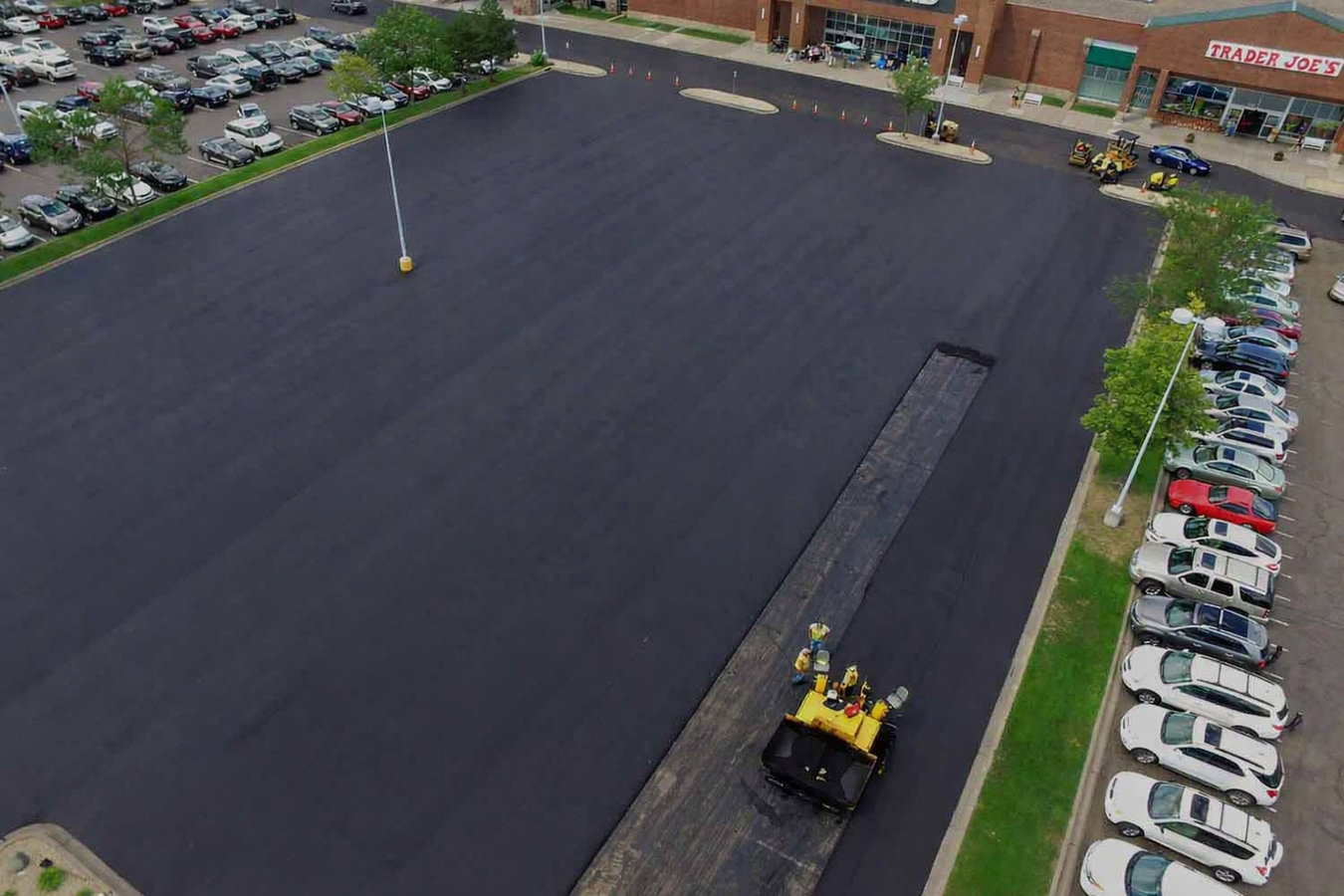
Gravel ruts and cracked asphalt cost you every rainy season. We build concrete parking lots in Dover designed for local clay soil, Delaware freeze-thaw cycles, and city permit requirements, so you get a clean, permanent surface that holds up.
Concrete parking lot building in Dover, DE involves excavating the native clay soil, compacting a gravel base to the correct depth, pouring and finishing a concrete slab with proper control joints and drainage slope, and obtaining a City of Dover building permit before any work begins. Most small to mid-size residential lots are ready to drive on within seven days of the pour.
The difference between a parking lot that lasts 40 years and one that starts cracking in five is almost entirely in what happens below the surface. Dover's clay-heavy soil absorbs water and shifts seasonally, putting stress on anything sitting on top of it. A lot built without accounting for those soil conditions will show cracks and uneven sections within a few years regardless of how good the concrete itself was. That is why base preparation and drainage design are not optional steps here.
For properties that also need a driveway or other vehicle access surface, we often build the approach and the parking area together. If a structure will also be added to the property, we coordinate with concrete footings work so the surface and the structure are graded consistently and the permit process does not require separate mobilizations.
If you have patched cracks in your current parking area before and they keep returning, or new ones are forming nearby, the base underneath is failing, not just the surface. In Dover's clay soil, the ground shifts with seasonal moisture changes and keeps stressing whatever is on top of it. Repeated patching is not a fix; at some point a properly built concrete lot is the more cost-effective answer.
Standing water on a parking surface after rain means the surface was graded incorrectly or has settled unevenly over time. Dover gets about 45 inches of rain per year, so poor drainage is not just an inconvenience - it accelerates surface deterioration and creates slip hazards. A new lot built with the right drainage slope moves water off the surface and away from your property.
Gravel and packed-dirt parking areas that made sense years ago often become a source of mud, ruts, and scattered stone after wet weather. If you are constantly raking gravel back or dealing with muddy tire tracks after rain, a concrete lot is a permanent fix that adds real value to the property and eliminates the seasonal maintenance cycle.
Bumps, dips, or sections that feel like they have shifted up or down are a sign the ground underneath has moved. In Dover, clay soil expanding and contracting with moisture is a common cause, and the cycle gets worse each year if nothing is done. Uneven surfaces damage vehicle undercarriages over time and create tripping hazards for anyone crossing the lot on foot.
Most parking lot projects in the Dover area fall into one of two categories: building a new lot on a property that currently has gravel, dirt, or no dedicated parking area, and replacing an existing lot that was either built incorrectly or has reached the end of its useful life. Both types start from the ground up. There is no shortcut of simply pouring concrete over a failing base, because the base problems will come through the new surface within a few years.
For properties being developed or expanded, we often integrate the parking lot with other site work. When a new structure is being added, the parking lot design has to account for the grades and drainage established during foundation and concrete footings work. When a property already has a concrete driveway , we design the new lot so both surfaces connect cleanly and drain as a unified system.
For residential and small commercial properties, the right concrete thickness is typically 4 inches for standard passenger vehicle use and 6 inches or more for areas that will see trucks or heavy equipment. We specify the correct thickness for your use case upfront in the written estimate, and that specification does not change once the project starts. The American Concrete Pavement Association publishes design guidelines for parking areas that we follow as the basis for thickness and joint spacing on every job.
Homeowners replacing gravel or dirt parking areas with a clean, permanent concrete surface that holds up through Delaware weather.
Business owners and property managers who need a durable, permit-compliant surface that can handle regular vehicle traffic without ongoing maintenance headaches.
Property owners adding parking capacity to a property that already has some paved surface, where new sections must match grades and drainage of the existing lot.
Owners of older lots that are cracking, heaving, or draining poorly because the base was never built correctly, who want a full rebuild done right from the ground up.
Dover gets about 45 inches of rain per year, distributed fairly evenly across all seasons. That level of rainfall means drainage is not a finishing touch on a parking lot, it is a core design element. A lot that does not move water off the surface quickly enough will have standing puddles after every storm, and standing water is the primary cause of concrete deterioration in this climate. The drainage slope has to be designed into the job from the beginning, not addressed as an afterthought during the pour.
Kent County's clay soil compounds the drainage challenge. Clay holds water near the surface rather than letting it percolate downward, which means the base beneath a parking lot stays wet longer than it would in sandier soil. That moisture works its way into any crack or poorly sealed joint and, when it freezes in winter, it expands and widens the opening. Dover's winters freeze and thaw repeatedly rather than staying cold for long stretches, so this cycle happens multiple times each winter. Joints that are not cut and sealed correctly do not survive many seasons here.
We build parking lots throughout Dover and serve neighboring communities including Smyrna, Milford, and Georgetown. Soil conditions, drainage patterns, and permit requirements vary across this part of Delaware, and local experience is the practical difference between a lot that performs well for 30 years and one that needs attention in five.
When you contact us, we schedule a free site visit before quoting anything. We assess the area size, drainage, soil conditions, and any site obstacles that affect the plan. You receive a written estimate within a few days that breaks out site prep, base material, concrete, and permits as separate line items. We respond to all inquiries within 1 business day.
We handle the Dover building permit application on your behalf before any work begins. Permit review typically takes one to three weeks. We will show you a copy of the approved permit before the crew mobilizes. This also confirms the drainage plan meets Delaware stormwater requirements for your property.
Once the permit is approved, the crew excavates the area to the correct depth, removes the native clay soil, and compacts a gravel base layer built to handle Dover's seasonal ground movement. A city inspector may visit at this stage to confirm the base before the pour. This phase typically takes one to two days.
The concrete is poured, finished, and cut with control joints in a single day for most residential lots. Barriers go up immediately to protect the fresh surface. We walk the finished lot with you once the concrete has cured, point out the joint locations, explain maintenance steps, and address any questions before closing out the job.
Free on-site estimate, no obligation. We handle the Dover building permit from start to finish.
(302) 666-8088Dover's soil swells with moisture and shrinks in dry weather, and a lot that was not designed around those conditions will start showing cracks within a few years. We account for local soil behavior in our base depth and drainage design on every job, so your lot does not start failing when the ground shifts.
Delaware enforces stormwater management rules locally, and Dover requires a building permit for all new paved surfaces. We handle both, including the drainage slope design and permit application, so you are not chasing paperwork or worrying about whether your lot meets local requirements.
We build parking lots throughout Dover, Georgetown, Milford, Smyrna, and surrounding communities. Local experience means we know the soil variability, the permit process, and the seasonal timing that matters for concrete work in this part of Delaware. Contractors who know the region work faster and avoid costly surprises.
Dover's winters freeze and thaw repeatedly rather than staying frozen solid, and that cycle is what cracks poorly built lots every spring. We design joint placement, drainage slope, and base depth with Delaware's freeze-thaw exposure in mind, using guidance from the{' '} American Concrete Pavement Association so your lot looks and performs the same in year ten as it does in year one.
Every one of those details matters on a job that is in the ground for decades. A parking lot that is poured correctly today should still be draining properly and free of major cracking long after most asphalt lots in the same neighborhood have been resurfaced twice. That is the practical case for doing it right the first time, with a contractor who understands the local conditions.
When a new structure goes on the same property as your parking lot, proper footings ensure the building and the pavement stay at consistent grades through Dover's seasonal ground movement.
Learn moreA new parking lot often connects to a driveway approach - we design and pour both so they meet cleanly and drain as one system rather than creating a grade mismatch at the transition.
Learn moreSpring and fall fill up fast - contact us now to lock in your project date before the best weather windows are gone.